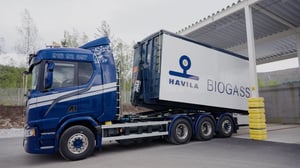
Skip to content
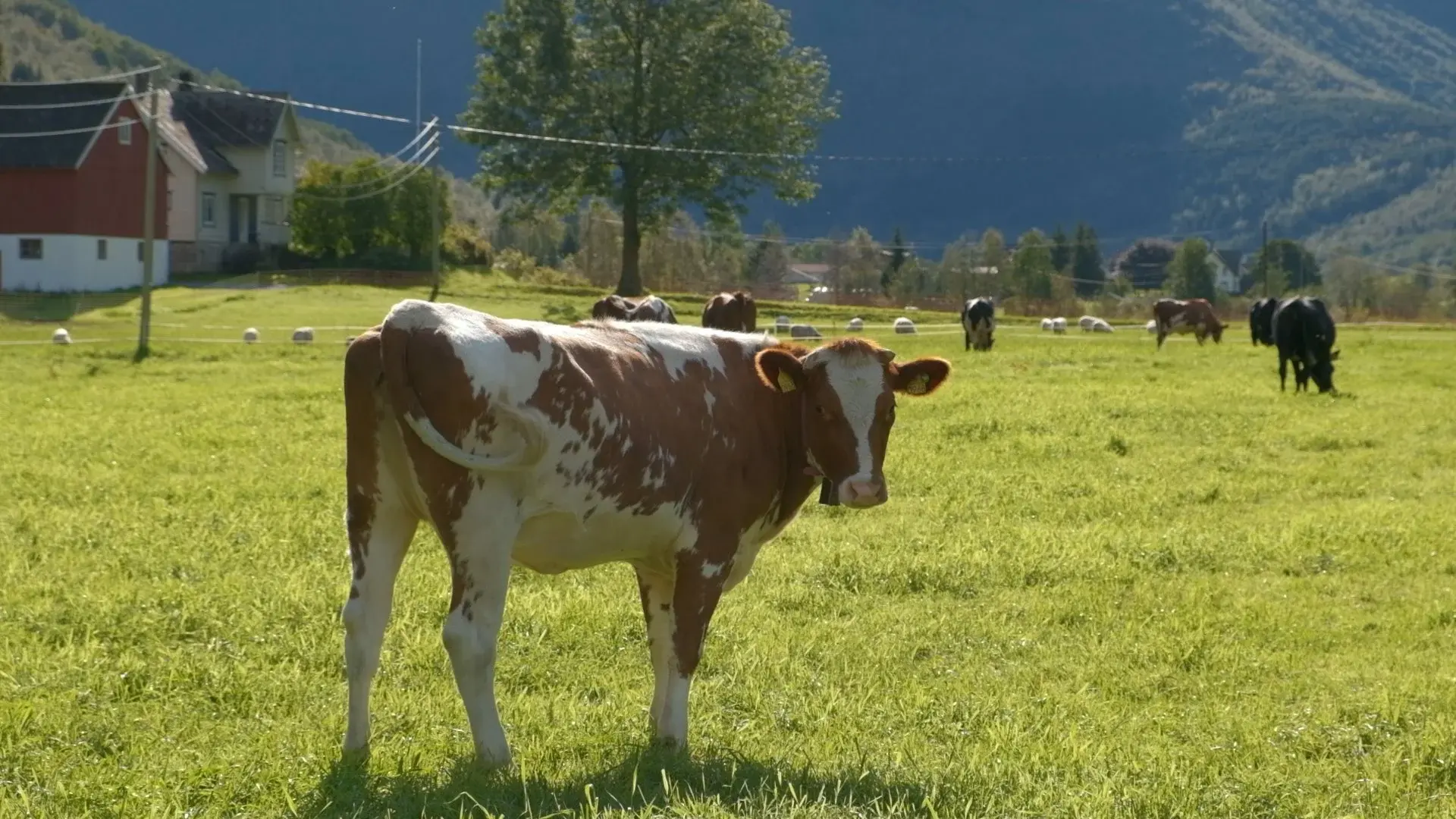
Cows on a green field

Agriculture and Industry

From organic residual resources to renewable energy, biofertilizer, and local value creation

Relevant feedstock and input material

cow icon
Livestock manure
A valuable resource for biomethane production.

matavfall ikon
Food waste
Organic waste from industry and food production. 

epleskrott med sirkulære piler
Sludge and organic by-products
Residual streams from the food industry and other businesses.

recycle-rounded-gold
Other organic resources
We evaluate a wide range of feedstocks.

Hvorfor levere råstoff?

pwr-img_icon_product-01
Lokal verdiskaping
Råstoff blir til energi og nyttige produkt.
pwr-img_icon_product-01
Klimanytte
Reduserte utslipp fra organiske restressurser.
pwr-img_icon_product-01
Sirkulær ressursutnytting
Ressursene kommer tilbake som energi og biogjødsel.
pwr-img_icon_product-01
Trygg håndtering
Profesjonell mottak og behandling av råstoff.
Why supply feedstock?

Local value creation
Feedstock is transformed into energy and valuable products.

Climate benefits
Reduced emissions from organic residual resources.

Circular resource utilization
Resources are returned to society as energy and biofertilizer.

Safe handling
Professional reception and processing of feedstock.

HavilaBiogass_Landbruk_6

From resource to value

  1. Organic Resources

  2. Biogas Plant

  3. Biomethane

  4. Biogenic CO₂ and Biofertilizer

  5. Energy, Climate Impact and Value Creation

Products we create

HavilaBiogass_Flak_1
Biomethane

Renewable fuel and energy.

HavilaBiogass_Natur_2
Biogenic CO₂

Sustainable CO₂ for industrial purpose.
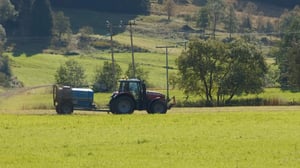
HavilaBiogass_Landbruk_6
Biofertilizer

Nutrient-rich fertilizer for agriculture.

Typical partners

wheat icon
Farms
tractor icon
Farm Cooperatives
meat icon
Slaughterhouses
Papirpose med ulike matvarer ikon
Food Processing Industry
Fiskestang med fisk ikon
Fisheries and Aquaculture
søppelbøtte og søppelpose ikon
Municipalites and Waste Management Companies
Havila Biogas

Frequently Asked Questions

What types of feedstock can be supplied? The plant primarily utilizes manure fractions from agriculture. This may include manure from cattle, poultry, pigs, and other agricultural sources. In addition, organic materials from slaughterhouses, food waste, the aquaculture industry, and industrial by-products of biological origin can be used. Only feedstocks that do not have a more beneficial end use, such as food, animal feed, or similar applications, are accepted. 
How does feedstock reception work? All feedstock delivered to the facility is weighed, recorded, documented, and analyzed. Documentation is secured and quality controls are performed on all fractions received.
What happens to the feedstock after delivery? The feedstock is collected in dedicated storage tanks and pre-treated according to the applicable regulations for each fraction. This may include hygienization, mixing, and other processing steps. The feedstock is then pumped into the biogas reactor according to a defined recipe, where all materials undergo anaerobic co-digestion. During this process, microorganisms convert the organic material into biomethane.
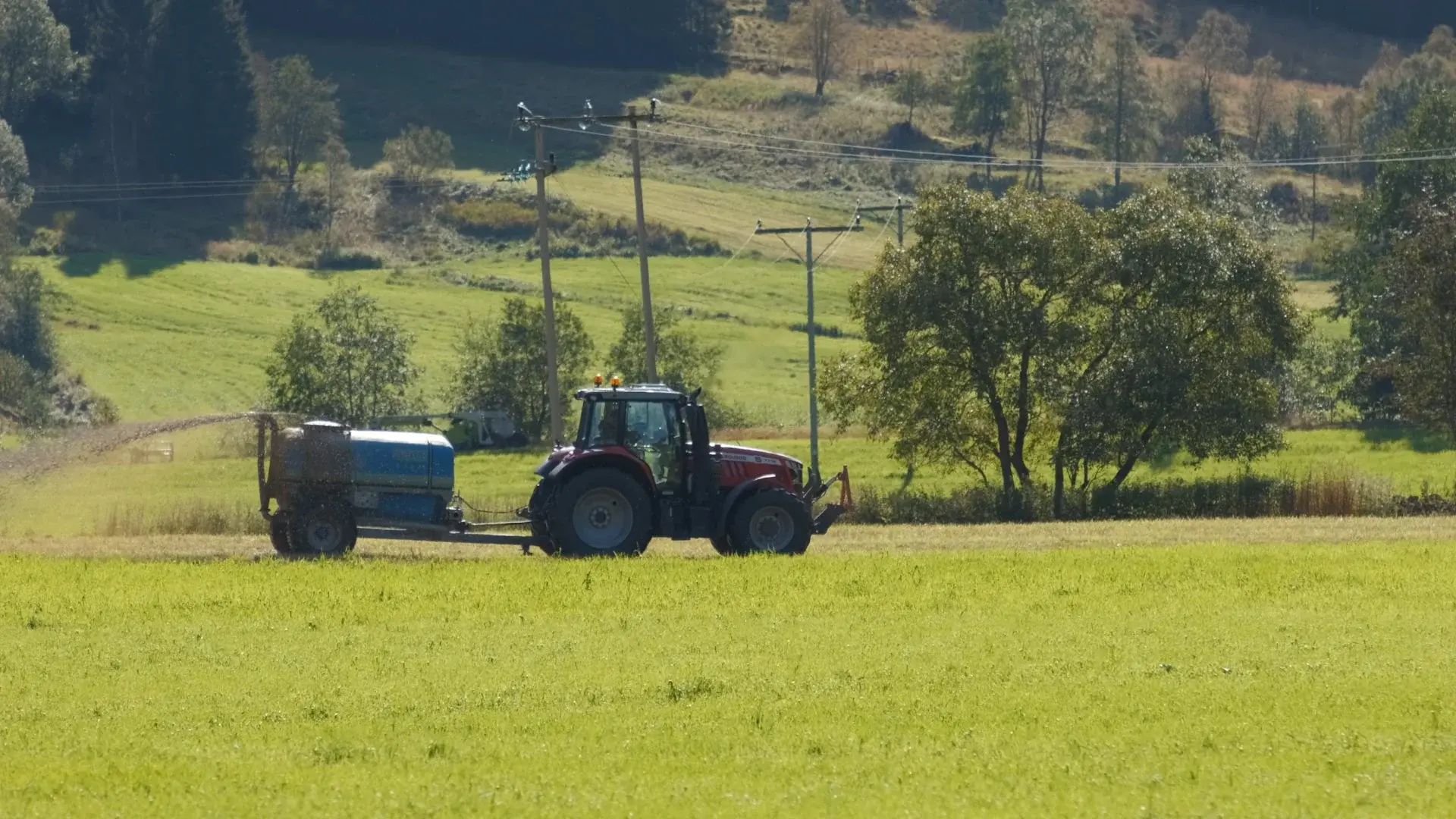
How is biofertilizer used? Biofertilizer is just as important as the energy production from our plants. Because the feedstocks used in biomethane production are of organic origin, they contain nutrients that are valuable for agriculture and local food production. Most biofertilizer is in liquid form, making it easy to spread on farmland. It contains higher concentrations of plant nutrients than conventional livestock manure. This enables many farmers to reduce their use of synthetic fertilizers, lowering costs while also reducing CO₂ emissions. Norway has strict regulations governing the production and use of biofertilizer, and all our biofertilizer products comply with the requirements set by authorities and the agricultural sector.
Who can collaborate with Havila Biogass? Any organization or business located near one of our facilities and in possession of suitable feedstock is welcome to contact us. This also includes farmers interested in receiving biofertilizer, even if they do not supply livestock manure to the plant.

Reach out to us

Do you have organic residual resources, or would you like to know more about opportunities for collaboration?