
Environmental and Social Impact Assessment Summary
About Havila Biogass:
Havila Biogass develops, constructs and operates renewable biomethane production facilities in Norway. The company focuses on converting agricultural and industrial organic by-products into renewable biomethane and biofertilizer through anaerobic digestion technology. The current project portfolio includes: Nesset (operational), Hustadvika (operational), Støren (development phase), Heggvin (development phase), and Haugalandet (development phase). The projects contribute to the reduction of greenhouse gas emissions through replacement of fossil fuels and improved management of organic waste streams. DNV has reviewed the portfolio against the environmental and social risk management expectations embedded in the Equator Principles. Based on the scope of the review, no environmental or social gaps were identified relative to the assessed criteria.
Environmental Assessment
Environmental assessments are conducted as part of the Norwegian planning and permitting framework and include, where relevant:
Land use and planning considerations
Biodiversity and natural environment
Water resources
Noise impacts
Traffic impacts
Air emissions and odour management
Landscape considerations
Cultural heritage assessments
Havila Biogass’ projects are developed in accordance with applicable Norwegian environmental legislation and permit requirements. Havila Biogass monitors environmental performance through operational procedures, permit compliance activities and environmental reporting.
Key Environmental Impacts and Mitigation Measures
Potential environmental impacts associated with biogas production include:
Noise from industrial operations
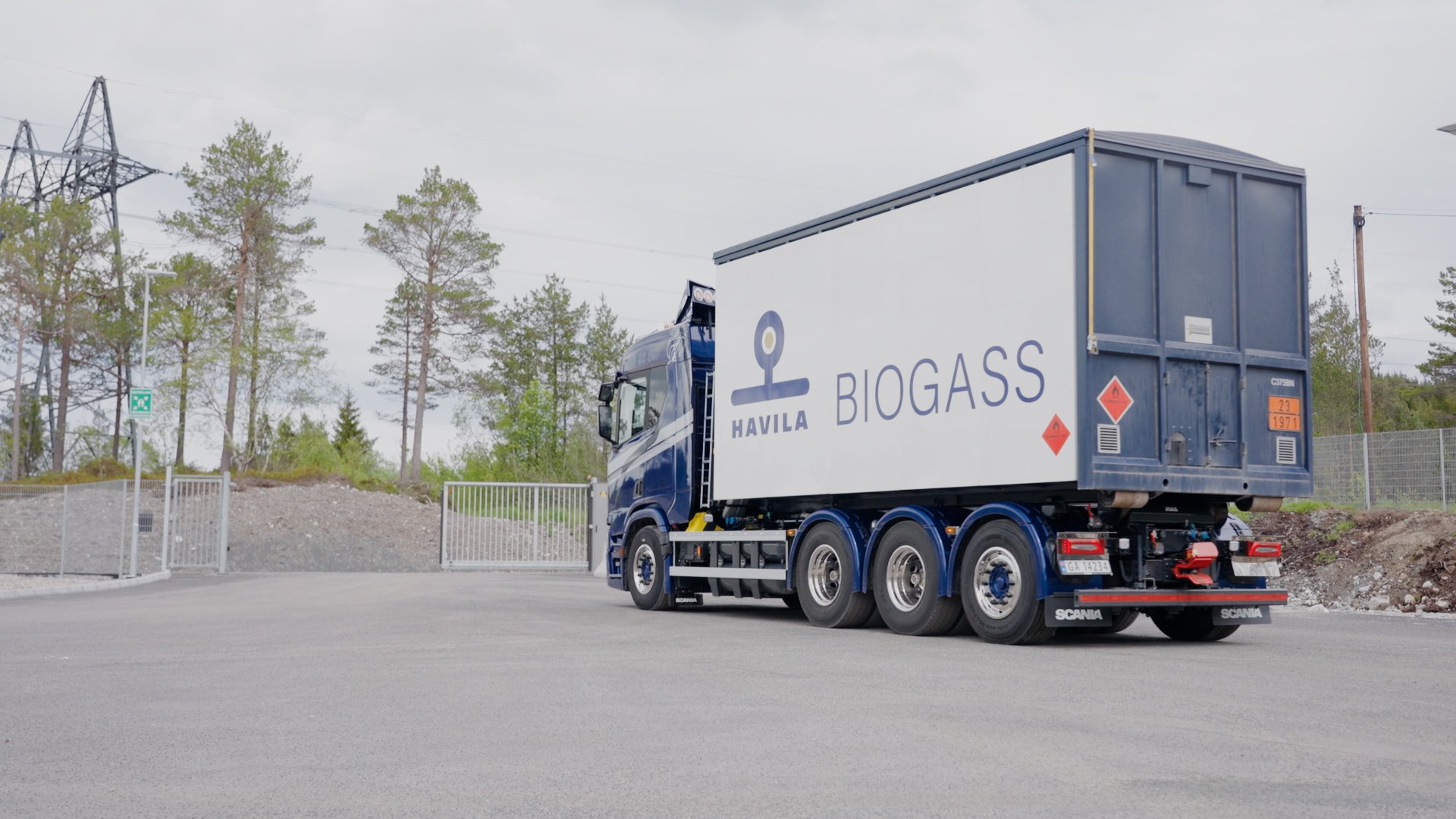
Traffic associated with feedstock and product transport
Potential releases of digestate or process liquids
Potential impacts on local biodiversity and water resources
Odour emissions
To manage these impacts, Havila Biogass implements:
Permitted operational limits
Environmental monitoring programmes
Emergency preparedness procedures
Process control and containment systems
Corrective and preventive actions following incidents and deviations
Lessons learned from operational experience are incorporated into future projects and operating practices.
Social Assessment
Social considerations are assessed during project development and permitting processes. Relevant social topics include:
Occupational health and safety
Community health and safety
Local stakeholder interests
Traffic and infrastructure impacts
Access to information
Emergency preparedness
Local employment and economic activity
Stakeholder engagement forms part of project planning and regulatory processes. Municipal authorities, regulatory bodies, neighbours and other relevant stakeholders are engaged throughout project development and operations.
Monitoring and Continuous Improvement
Havila Biogass continually works to improve environmental and social performance through:
Compliance monitoring
Incident reporting and investigation
HSE management processes
Stakeholder engagement
Independent technical reviews
Continuous improvement programmes
Environmental and social considerations remain an integrated part of project development and operational decision-making across the portfolio.
Human Rights Considerations
Havila Biogass operates exclusively in Norway and is subject to Norwegian legislation governing labour rights, occupational health and safety, environmental protection and stakeholder engagement. Potential human rights topics relevant to the portfolio include:
Safe and healthy working conditions
Protection of workers and contractors
Community health and safety
Access to stakeholder dialogue and information
Access to grievance and reporting mechanisms
Ethical conduct throughout the supply chain
No material human rights violations have been identified in relation to the project portfolio.
Havila Biogass maintains policies and procedures relating to ethics, health and safety, contractor management and whistleblowing. The company continues to develop and strengthen its governance framework as projects progress and operations expand.
Positive Climate Impacts
The projects support climate change mitigation by:
Producing renewable biomethane as an alternative to fossil fuels
Reducing methane emissions from organic waste streams
Supporting circular resource utilization
Producing biofertilizer that can contribute to more efficient nutrient management
The overall objective of the portfolio is to support the transition to a lower-emission energy system through renewable gas production.
Climate-Related Risks
Climate-related risks considered relevant to project development and operation include:
Extreme precipitation events
Flooding and water management challenges
Severe weather conditions
Potential impacts on site infrastructure and logistics
Increased regulatory expectations regarding climate performance
Climate resilience and environmental risk management are considered throughout project planning, construction and operation.